Asphalt Rejuvenators
for Recycled Asphalt Pavement
What are Recycled Asphalt Pavement (RAP) and Rejuvenators?
Recycled Asphalt Pavement (RAP) refers to reclaimed asphalt materials that are reused in new pavement mixtures. RAP is widely used to reduce material costs, conserve natural resources, and improve the sustainability of asphalt production.
As RAP content increases, the aged asphalt binder can become stiff and brittle, limiting performance. Rejuvenators are chemical additives designed to restore the physical and chemical properties of aged binders, improving flexibility, workability, and long-term pavement performance.
Role of Rejuvenators in Asphalt Recycling
Restoring Aged Binder Properties
Rejuvenators penetrate aged asphalt binder and restore its original balance, improving flexibility and reducing the risk of cracking.
Enabling Higher RAP Content
By restoring binder performance, rejuvenators allow producers to incorporate higher levels of recycled asphalt into new mixes without compromising quality or durability.
Benefits of RAP and Rejuvenator Technologies
Increased Sustainability
Using RAP reduces the need for virgin materials and lowers the environmental impact of asphalt production.
Improved Pavement Performance
Rejuvenators help restore binder performance, improving resistance to cracking and extending pavement life.
Reduced Material and Lifecycle Costs
Higher RAP usage and improved durability help lower overall production and maintenance costs.
Applications in Asphalt Production and Recycling
RAP and rejuvenator technologies are used across a range of asphalt applications, including:
- Hot mix asphalt production
- Warm mix asphalt applications
- Cold recycling and in-place recycling methods
- High RAP and recycled asphalt mixtures
These technologies are often used alongside asphalt additives, asphalt emulsifiers and advanced pavement technologies to support a complete pavement performance strategy.
Arkema’s Rejuvenator Solutions
Arkema has developed advanced asphalt rejuvenator technologies to address the challenges associated with increasing recycled asphalt pavement (RAP) content. Revive® and Cecabase® RT BIO 10 rejuvenators enable higher RAP usage while maintaining mix flexibility and controlling binder stiffness.
These rejuvenators work through two complementary mechanisms:
- High solvency for aged binder: They penetrate and soften oxidized asphalt, allowing a greater portion of the RAP binder to be mobilized and incorporated into the binder–mastic continuum.
- Reduction of binder stiffness: They reduce the complex shear modulus of the RAP–virgin binder system, improving flexibility and minimizing the risk of cracking or performance loss.
Together, these effects reduce the risk of undesired performance and enable the efficient and profitable use of higher levels of recycled asphalt pavement.
For example, increasing RAP content from 15% to 20% can reduce virgin binder demand by nearly 40%. With Arkema’s Revive® and Cecabase® RT BIO 10 rejuvenators, these gains can be achieved without compromising mix quality or long-term pavement durability.
Arkema supports customers with formulation expertise, laboratory testing, and on-site technical support to optimize mix design and maximize the benefits of RAP incorporation.
Get more information
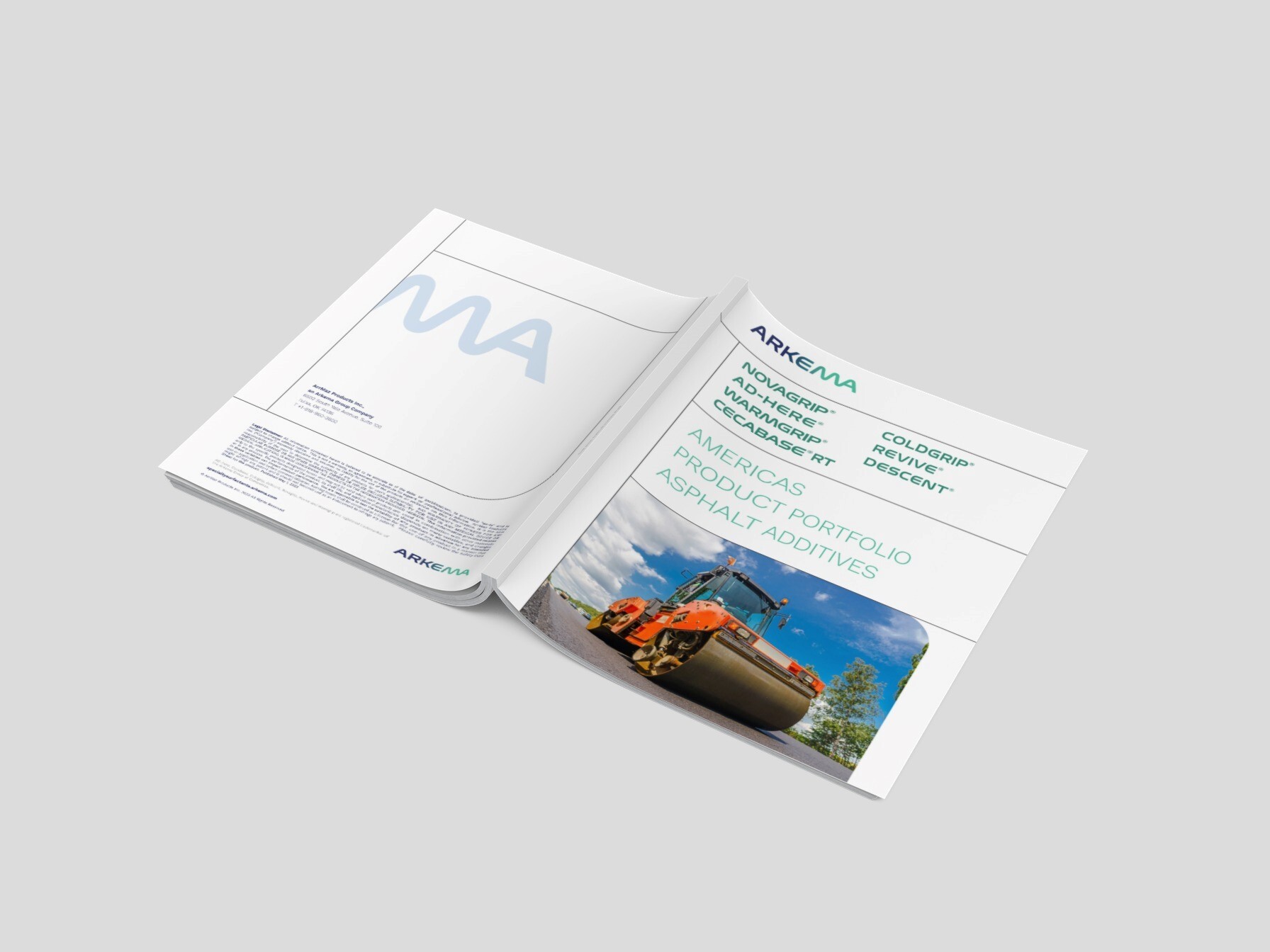
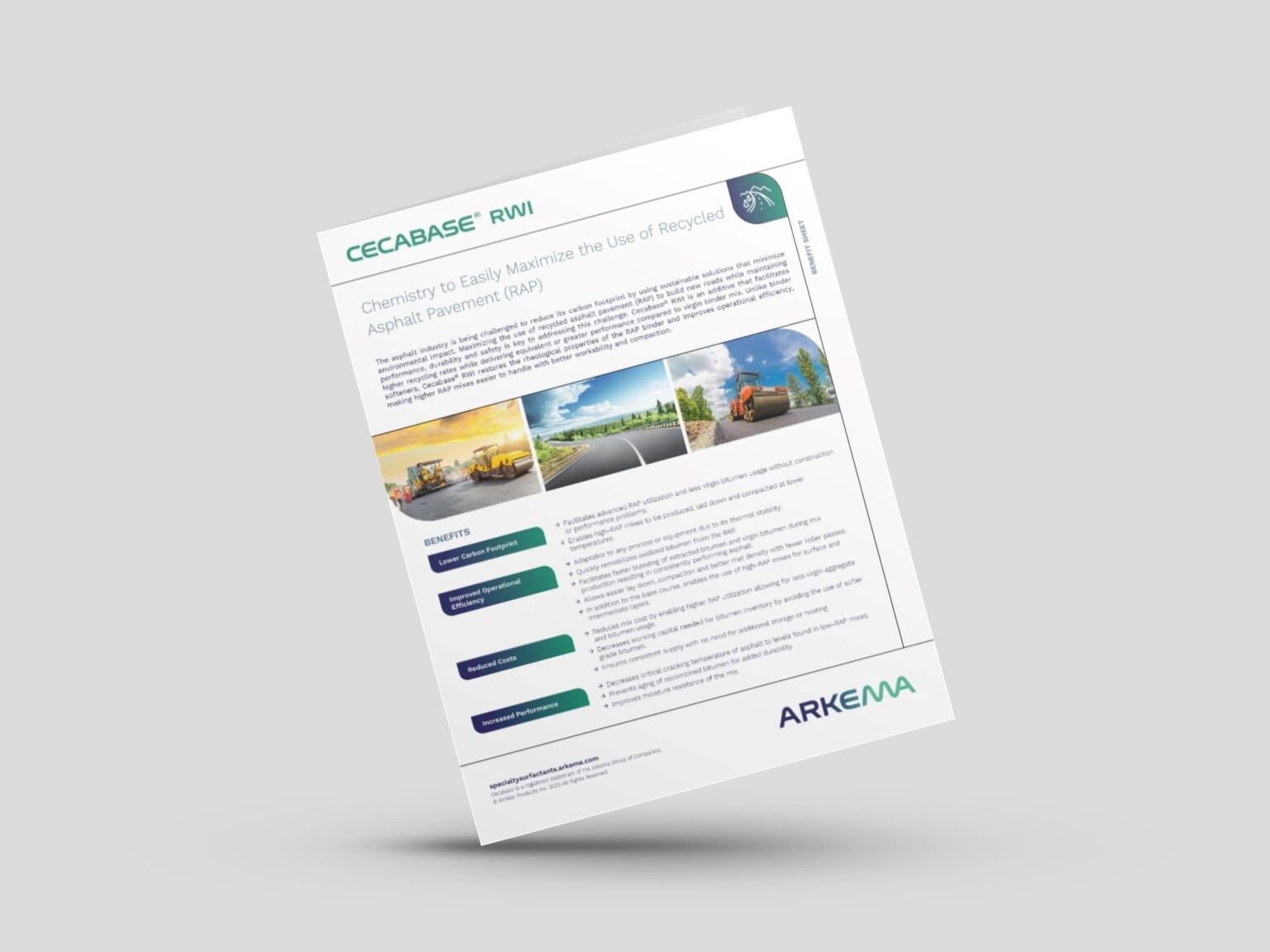
- How to effectively evaluate RAP rejuvenators.
- (8) key questions to ask your asphalt rejuvenator supplier to avoid high-RAP mix challenges.
- Tests that can be used to predict RAP rejuvenator durability and performance both in the lab and in the field.
- How to determine whether an asphalt rejuvenator will truly help increase RAP usage and improve high-RAP mix performance long-term.
Discover more product ranges